Get Your Franchising Guide!
Discover how you can build a business that protects families, empowers your goals, and leads the future of pest control!

Economic uncertainty has a way of shifting priorities, and for many people, that includes career paths and long-term financial goals. If you’re thinking about launching a business, you’re probably looking for something stable. Something that stands up even when the economy dips. That’s where the idea of a “recession proof business” comes in.
While no business is completely immune to market forces, some industries have proven to be far more resilient during downturns than others. Pest control is one of them.
In this guide, we’ll take a closer look at what makes a business recession-resistant, which industries fit the bill, and how franchising can help you build a business that offers essential services, recurring revenue, and long-term growth potential.
What’s included in this article?
When you’re planning to invest your time, energy, and money into a new business, you want to know it can stand up to challenges, and economic downturns are some of the biggest.
Recession-resistant industries help entrepreneurs feel more secure in their decision. These businesses often serve core needs and offer stability when other markets struggle.
Benefits of entering a recession-resistant industry include:
When you build a business that people rely on regardless of the economy, you’re creating something with lasting value.
Did you know there are year-round opportunities in the pest control industry? Learn more >
A “recession proof” business isn’t one that avoids economic challenges altogether. Instead, it’s one that provides essential services, is less vulnerable to discretionary spending cuts, and often has built-in demand, regardless of market conditions.
During a recession, consumers and businesses become more selective with their spending. Luxuries are often the first to go, while services tied to health, safety, and property protection remain in demand. These are the types of businesses that continue to generate income even when the broader economy slows down.
Some common characteristics of recession-resistant businesses include:
Businesses that meet these criteria are better equipped to weather economic downturns and often emerge stronger on the other side.
While you may initially think of grocery stores, healthcare services, or emergency services as essential, there are other recession-proof industries.
If you’re considering launching a business, here are some industries that tend to perform well even in a challenging economy:
Pest control is particularly interesting because it meets nearly every recession-resistant marker. It’s an essential service that protects homes, businesses, and families from the health risks and structural damage pests can cause. And because pests don’t stop multiplying just because the stock market dips, demand tends to hold steady – even during a downturn.
Pests are a universal problem, no matter the economic conditions. Learn more >
Starting a business can be intimidating, especially if it’s your first. Choosing a business in a resilient industry gives new entrepreneurs a better chance at stability and long-term success.
Here’s why recession-resistant businesses make smart entry points:
These factors can ease the pressure of launching a new venture, especially if you partner with a franchise that already knows how to operate in these markets.
While some industries thrive regardless of the economic climate, others are more vulnerable to slowdowns. These are often tied to luxury spending or discretionary services. For example:
If you’re exploring new ventures, it’s important to recognize that industries heavily tied to discretionary spending can be harder to sustain during a downturn.
Let’s dig a little deeper into why pest control is considered a solid recession-resistant business idea.
Whether you’re dealing with mosquitoes, ants, rodents, or termites, pest control isn’t optional – it’s essential. Infestations don’t go away on their own, and DIY treatments often fall short. People will continue to seek help from professionals to protect their families, pets, and property, even during tough economic times.
Pests aren’t just annoying. They carry diseases, damage buildings, and contaminate food. That’s why even cost-conscious consumers will prioritize pest control from reputable providers, especially when children or elderly family members are involved.
Many pest control businesses offer subscription-based services or seasonal treatment packages, which create predictable, recurring revenue. These long-term relationships help insulate business owners from one-off fluctuations in demand during an economic slowdown.
Pest control services are needed by homeowners and businesses alike. From restaurants to warehouses to property management and apartment complexes, commercial clients help diversify your customer base.
If you’re looking for a practical, high-demand business with room to grow, pest control deserves a spot on your list.
Q: Is any business truly recession proof?
A: No business is entirely immune to economic changes, but some industries, especially those tied to essential services, tend to remain stable even if a recession hits.
Q: What makes pest control a recession-resistant business?
A: Pest problems don’t stop when the economy slows down. Homeowners and businesses still need to protect their health, property, and peace of mind, no matter the economic activity.
Q: Do I need experience in pest control to start a business in this field?
A: Not necessarily. Many pest control franchise owners come from unrelated backgrounds. Training and support are available if you choose to franchise.
Q: How can I tell if a franchise is recession-resistant?
A: Look at the core services offered. If the business serves a need that won’t disappear during a recession, like home safety, health, or maintenance, it’s likely to be more resilient.
Q: What other businesses tend to hold up during recessions?
A: Industries like home services, cleaning, automotive, healthcare, and certain pet-related services are often considered more recession-resistant.
Explore more frequently asked questions with Mosquito Squad >
While recession-resistant businesses tend to weather economic challenges better than others, it’s important to remember that no business is a guaranteed success. A great recession can negatively impact business in all industries, including startups and established operations.
Profitability depends on many factors, including your local market, your operational decisions, and how well you meet customer expectations.
Even in a stable industry like pest control, business owners must still:
Choosing a recession-resistant business can help reduce some of the volatility that other industries face, but it doesn’t replace the need for planning, execution, and adaptability.
Starting a business is exciting, but it’s also a big leap. Franchising offers a way to minimize risk while accelerating your growth potential. With the right franchise partner, you’ll gain the tools and support to build a business with staying power.
Here’s how franchising can help:
You’re not starting from scratch. With a franchise, you’re plugging into a system that’s been tested and refined. That means fewer growing pains and clearer direction from day one.
Most people who start a business don’t know everything about marketing, hiring, operations, or customer retention. A quality franchise will provide comprehensive training, both at launch and over time, so you always have guidance.
Building trust with customers takes time, unless you’re backed by a well-known brand. A recognized name gives you a leg up in your local market and can help you stand out from independent competitors.
Franchises often invest in national advertising, digital marketing systems, CRM tools, and call centers to help you bring in leads and manage your business more efficiently.
You’re not alone. Many franchise systems provide a network of fellow owners you can turn to for advice, insights, and collaboration.
If you’re drawn to the idea of entrepreneurship but want a support system behind you, franchising can help you move forward with more confidence.
Ready to be your own boss? Discover what it means to franchise with Mosquito Squad >
Pest control franchises combine the best of both worlds: they offer services that people genuinely need, and they provide the structure and support of a franchise system. When evaluating your options, look for a pest control franchise that offers:
This combination can make it easier to grow – even if you’ve never worked in pest control before.
Recession-resistant businesses attract a wide range of entrepreneurs – many of whom never considered owning a business until they saw how resilient some industries can be. If you see yourself in any of the following, this might be the right path:
These industries don’t always require deep technical knowledge. With the right training and systems, many entrepreneurs step into business ownership and thrive.
Can you transition from your current career to franchise ownership? Learn more >
If you’re serious about finding a business opportunity with long-term potential, Mosquito Squad is worth a closer look.
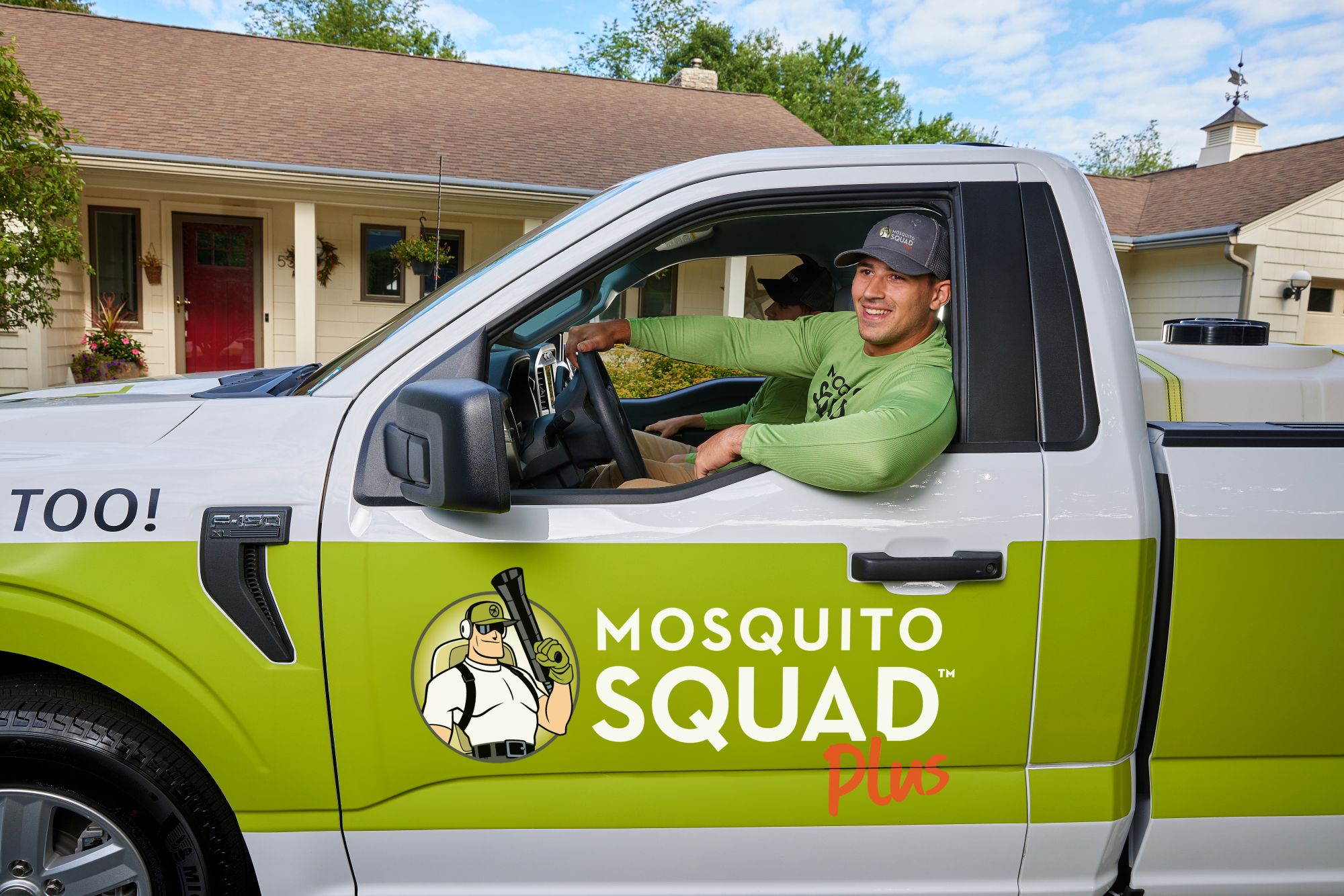
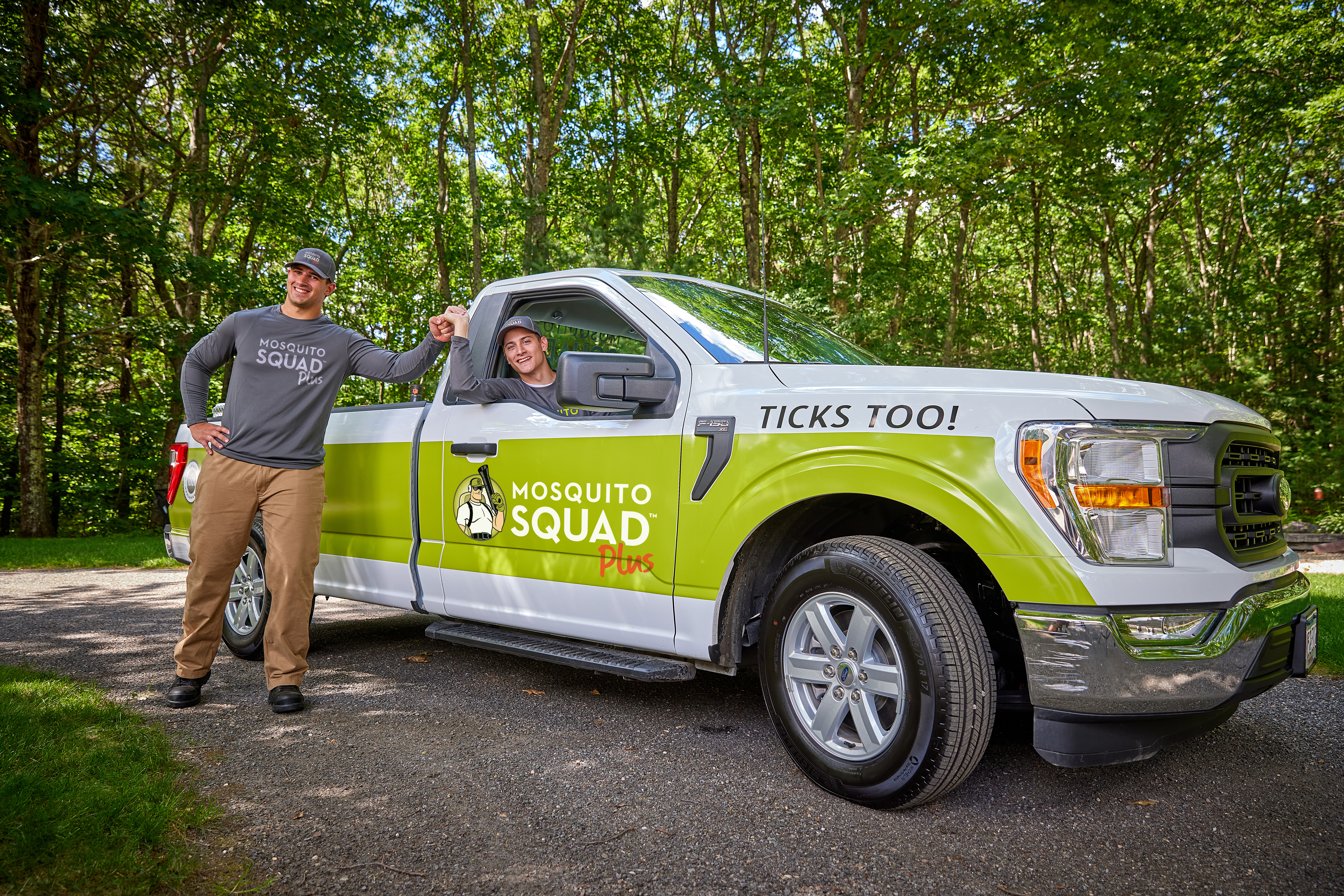
Mosquito Squad is a leading pest control franchise that helps protect homes and businesses from mosquitoes, ticks, and a growing list of other pests through Mosquito Squad Plus. Here’s what makes the opportunity so compelling:
Whether you’re looking to transition out of corporate life or make your first move into business ownership, Mosquito Squad offers a structured path to owning a service-based business that people depend on year after year.
If you’re drawn to the idea of launching a business that stands up during economic uncertainty, and one that serves a real need in your community, pest control might be the right fit.
And if you want the added benefit of training, support, and brand recognition, Mosquito Squad could be your opportunity to build something lasting.
Learn more about franchising with Mosquito Squad and start your journey today!